
When did you move to Berlin and what made you want to move here? Dani:…
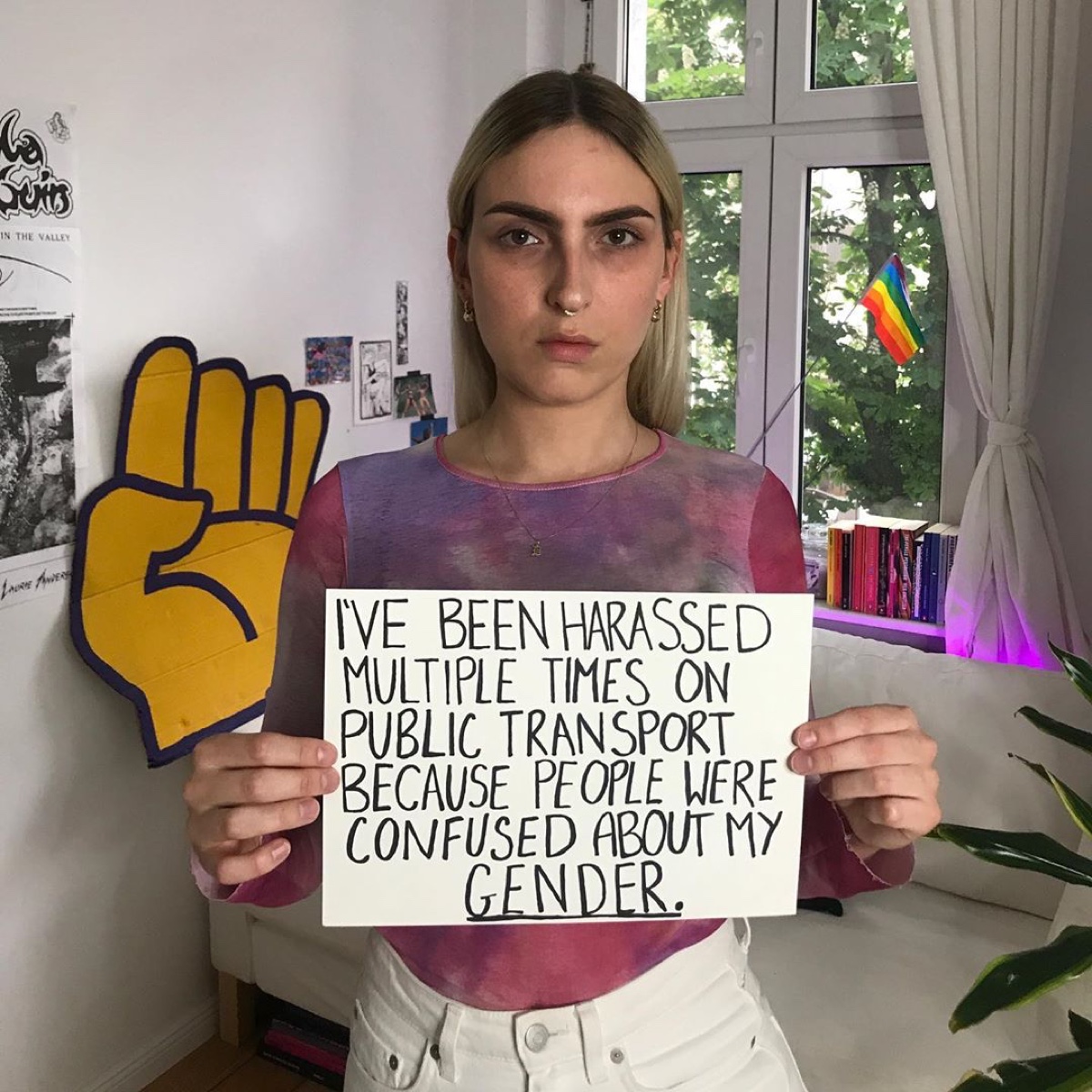
Intersex Awareness Day
An interview with intersex activist Dani Coyle26 October 2020

Back in December of last year, we sat down with Dani Coyle to chat about their work which focuses on highlighting intersex folx. We caught up with Dani again via Zoom to chat about Intersex Awareness Day, community, and being an artist during a pandemic:
Can you introduce yourself for new readers who might not know you yet?
For sure! My name is Dani. I am an intersex artist and activist. I am also a part of the collectives digi.gxl and Voices4. A lot of my work is centered around intersex awareness and all of the overlapping things that come from that – so this would include intersex rights violations and intersex awareness – trying to depathologise intersex imagery, etc. I am doing a lot of things with face filters, instagram content, and stickers, and I am just trying to make it more fun and to bring the topic into the cultural sphere rather than a medicalised one.
How will you be spending intersex awareness day?
This year we [myself, Voices4, TrIQ, and other protestors] will be outside of the Bundestag (Lower House of German Parliament) [in Berlin] at 3pm. We have a protest and some speeches planned. I will be doing a speech as well. I also have lots and lots of things to post, videos to do, brand collaborations, etc., so that will be really exciting. Half of the day will be spent at the protest and half of the day will be spent in bed recovering from a busy, busy week.
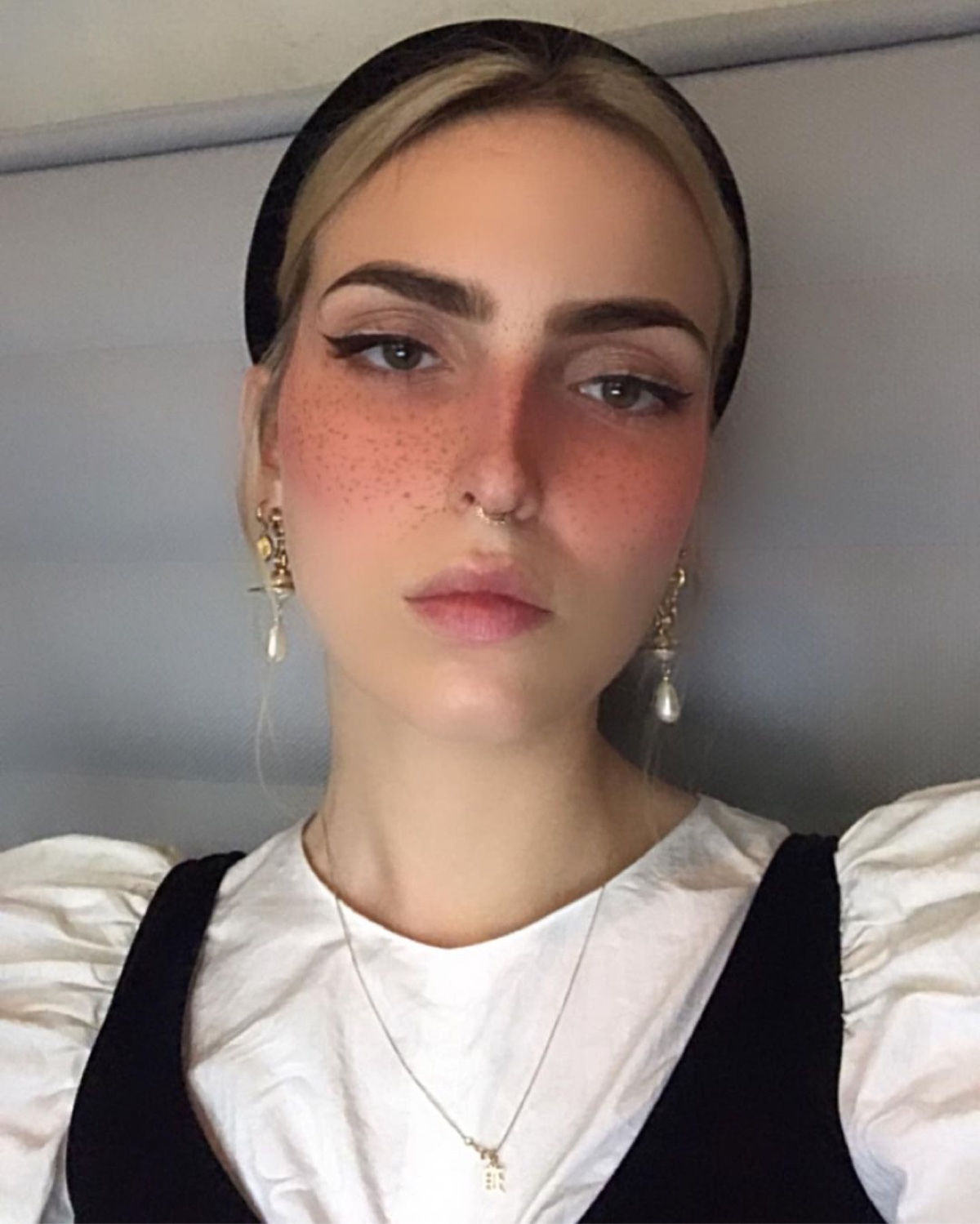
Can you tell us a little bit (more) about Intersex Awareness Day Kundgebung vorm Bundestag, the event you are organising, which will be taking place on Intersex Awareness Day?
Last year was the first event (I was also involved in organising it). It was done exclusively by Voices4. This year was arranged by TrIQ, which is based in Berlin – but we [myself, Voices4, and TrIQ] have all joined together now. I am doing the graphics for the event. I jumped on board a little bit later, after asking to get involved. The action taking place will be focused on the law that is going to be passed which means you can self determine your own gender and which will also protect intersex people from non-consensual surgery. Unfortunately, I have heard that this law does still need a lot of work and isn’t actually that protective. This is all from German friends, because I do not know about the legal situation in Germany, but I think the protest is to push the law forward, show support for it, but also to focus on the ways in which it still needs to be improved.
It is such a tricky topic when discussing new laws and rights for marginalised communities as the laws differ across the globe and each state, country, etc. handles these things differently.
For sure, but then there is also a very general global sense of everyone being so far behind [when it comes to intersex rights]. For me it almost feels as if they are discussing whether to throw queer people a bone or not. I do not actually think these MPs have internalised that there are more than two genders, I think it’s more a matter of them thinking they can give the queer community some rights [to placate them].
What are non-consensual intersex surgeries (for readers who may not know what these are) and why are they so harmful?
Basically it is comparable to genital mutilation. Everyone has a set of primary and secondary sex characteristics when they are born. Your primary sex characteristics are things like your genitals and your chromosomes. Your secondary sex characteristics appear during puberty. Everybody has these and “normally” there is a stricter societal definition of what constitutes female or male even though a lot of hormones overlap; we never talk about this. Society tends to think testosterone+penis = men and vagina+estrogen = women, when in fact women also have testosterone and men also have estrogen.
There is much more of a spectrum than we are ever taught. And when intersex people are born, some are born with ambiguous genitalia. Generally the practice up until now (although people are now starting to question this) is that a blood test would be done. Based on this test, a chromosome pattern could be determined and this would be used to decide how/if to operate on the child to make them cosmetically look like their chromosomes. So for example, if the blood test came back XX, they would operate to reduce the clitoral size or completely remove it, etc. so that the baby would cosmetically appear “female.”
Either way, surgeries are no joke, especially on children and what it comes down to is just having no bodily autonomy – intersex people have been operated on and then lied to. A lot of times these surgeries can also be at opposing ends to the intersex person’s gender identity. So, you could be trans and then someone tells you, “Actually you were born intersex and we operated you at 3 weeks old.” and you had no idea. No one should be forced into something they didn’t choose for themselves. That is why it is so damaging and people are so upset about it; and rightly so.
Some intersex people find out they are intersex during puberty when they do not start periods or when they cannot have a child and then they go to the doctors and find out that they are intersex. So there are a lot of different experiences under the broad term of intersex, but the ones that are most damaging are the ones that involve non-consensual operations.

What steps can folx take to fight against non-consensual intersex surgeries?
I think generally, supporting intersex activists that are doing work on the ground [is a great way to support the intersex community]. Intersex Justice Project in Chicago have recently had a win in the hospitals, for example. If LGBT people are even in the minds of politicians you can be sure that intersex people are not. We are so often left out of the conversation – so I think the main thing you can do is just make sure that if you are in a space where queer people are being talked about, make sure intersex people are not being left out of these conversations. Writing your MPs and even contacting hospitals to see if they perform these surgeries – and then condemning them if they do – are also actions you can take. Generally supporting intersex people, sharing their voices, and making sure they are in the conversations whenever we are talking about trans people or queer people in general is important.
We chatted with you about your work back in December of last year. How has COVID-19 impacted your project, @inter___face?
This year I have taken one portrait, haha. Obviously finding intersex people is generally quite difficult anyway. Not to the extent that we are told [by society] but it is not super easy to find a billion people a year. With COVID, it has been even more difficult. So it is still going – just slowly. I think I would also like to do more of this vibe [like this interview] – talking to someone on a digital platform and sort of making it into little exclusive interviews! So like INTERface, but just INTERview.
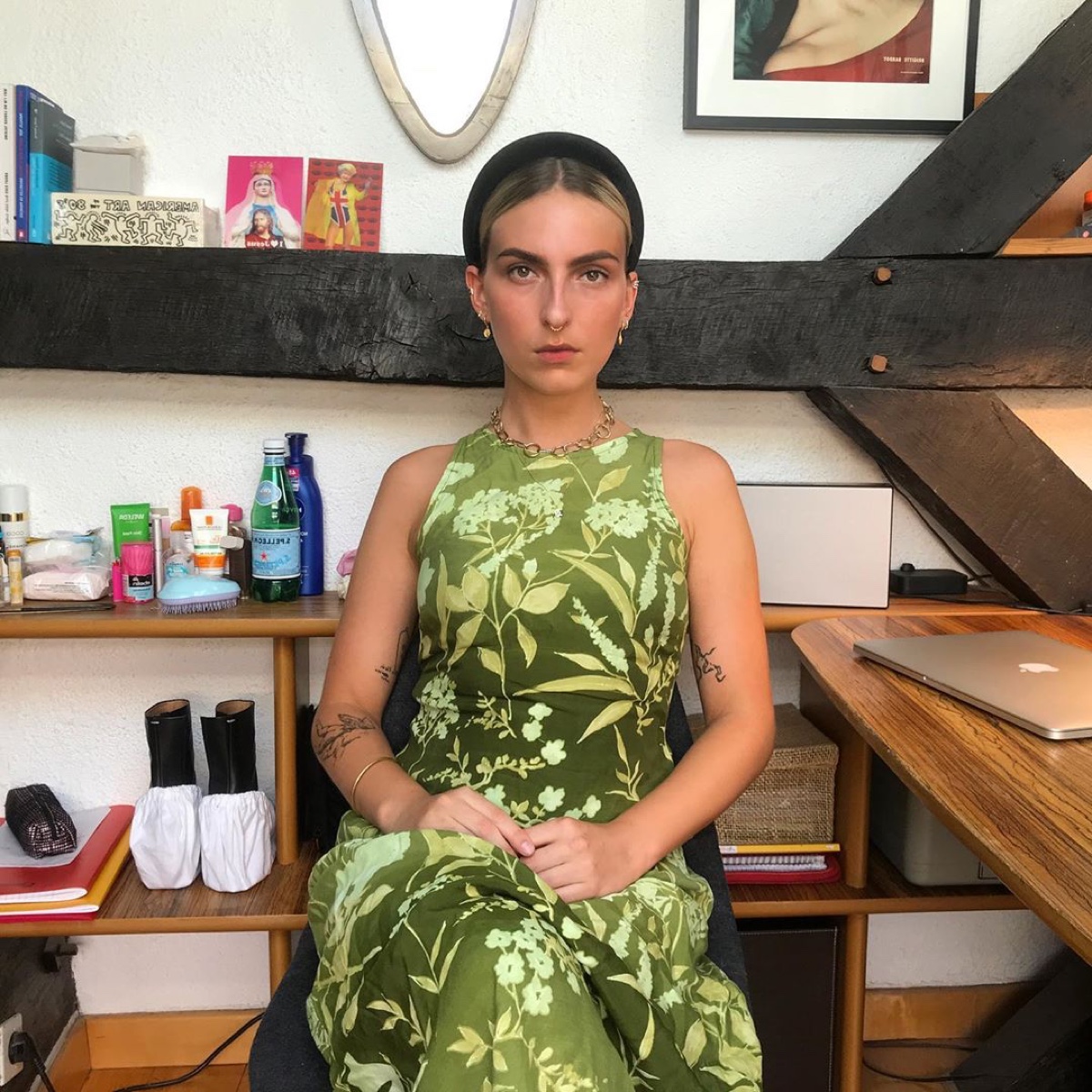
In addition to the INTERview project, what other things are in store for you for the rest of the year artistically? Activist-wise?
Intersex Awareness Day is on Monday the 26th [of October], which this [interview is for] – so I have a lot of other content and fun socially things planned. Intersex Awareness Day is the end of my artistic activist year – I think we can all agree that this year has been crazy. November and December will be spent chilling, haha and relaxing!
Lastly, if there is a fundraiser dedicated to a specific person (yourself or someone else), group of intersex people, or intersex cause that is near and dear to your heart please give us the link so that we can post it for our readers who are in a financial position to donate.
Just follow and keep up to date with intersex people and activists online who may need funds for a certain campaigns or top surgery, or a car to get to work.
_
Images provided by Dani Coyle. Keep up with Dani Coyle on instagram here. For more articles on the LGBTQIA+ community, click here.